38 how does a sand pool filter work diagram
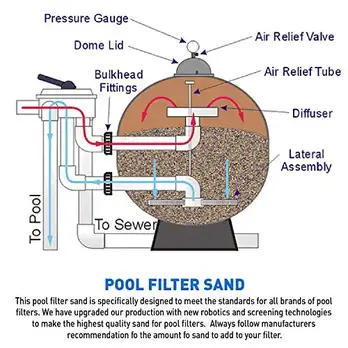
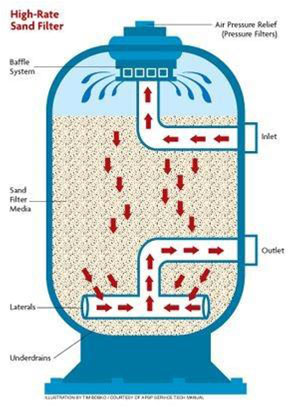
Sand filters work by allowing water to circulate through canisters that contain sand. How do pool pumps and filters work? The pump pumps water from the pool through a filter and main drain. The water then moves through the pump to the filter. The filter then removes dirt, debris and bacteria. Water returns to the pool using a return jet. While gravity pulls the water down through the sand, the tiny sand particles catch any dirt and debris. At the bottom of the tank, the filtered water flows through the pick-up unit and out the outlet pipe. Over time, the collected dirt and debris in the sand slows down the water flow.
Sand is a granular material composed of finely divided rock and mineral particles. Sand has various compositions but is defined by its grain size. Sand grains are smaller than gravel and coarser than silt. Sand can also refer to a textural class of soil or soil type; i.e., a soil containing more than 85 percent sand-sized particles by mass.
How does a sand pool filter work diagram
Sand Filter Installation and User's Guide Figure 1. 4. The filter is ready to be moved into its final position. The system must be placed on level solid earth. When the filter is filled with sand and water it can weigh several hundred pounds. 5. Be certain to install the precise amount of filter sand listed on your filter name plate. For sand filters, water flows top to bottom in the tank, whereas DE filters flow bottom to top. 2. Waste The "Waste" setting is a bypass position on the multiport valve. After water is sucked in by the pool pump, it's directed straight out of the system before it can come into contact with the filter. Equipped with an electric motor, the pump has an impeller that drives water through the skimmers (found at the top of a pool) and the sumps (found at the bottom of a pool) take it to the filter. The clean, filtered water is then piped through the return nozzles (a series of small valves placed around the pool).
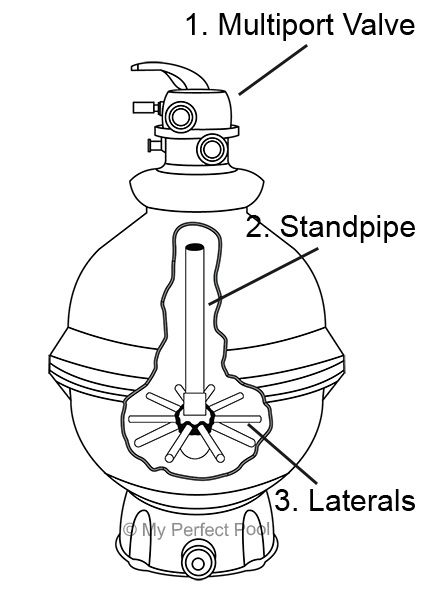
How does a sand pool filter work diagram. Sand Filter - With the sand system, the water passes through and debris is filtered out of it. These systems may or may not make use of the chlorine tablets here. If it does not, then the chlorine must be added directly to the pool. The pump must be active before adding the chlorine directly to the water. Operation Sand filters work by allowing water to cycle through a canister that contains sand. The water flows through the sand with ease, but larger particles are unable to pass through. Once the debris and other particles have been filtered out by the sand, a pump moves the clean water back into the pool. http://www.familyleisure.com/Discount-Pool-Supplies | Mike the Pool Guy will show you how a pool sand filter works and how to maintain it. Pool filter mainte... For those new to the pool industry, the following is a quick explanation of how sand filters work (see Figure 1). The pump draws water from the pool and pushes it to the filter. The water enters via the dial valve, travels through the diffuser, then through the sand bed.
Use only special pool-grade filter sand, free of all limestone or clay: #20 Silica sand 0.45-0.85mm, approximately one 9kg bag should suffice. If you do not use the recommended size of filter sand, filtering performance will be reduced and the sand filter may damaged, thereby voiding the warranty. Apr 07, 2020 · The filter. The water pushed by the pool pump flows through this tank filled with a filter medium and comes out of it free of all impurities. The most commonly used is the sand filter but on a small pool or above ground pool, the cartridge filter is a good option. For exceptional filtration fineness, the diatomaceous earth filter is a good choice. A pool in good working condition will pull the water from your pool basin through the skimmer and into the pool pump. This is called the suction side of the pool. Once it passes through the pump, it will push the water through your filter and back into the pool through the jets. This is the pressure side of the pool. Apr 08, 2021 · Basic Pool or Spa Plumbing Systems. To understand the basic plumbing system of a pool or spa, you must follow the path of the water. The water from the pool or spa, not both at the same time, enters the equipment system through a main drain on the floor, through a surface skimmer, or through a combination of both main drain and skimmer.
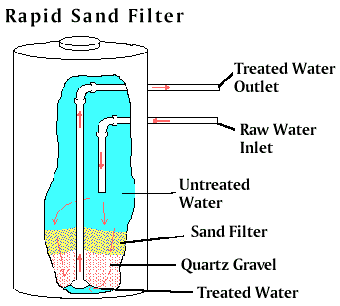
S. 200. SAND FILTER SERIES REPLACEMENT PARTS. Parts Diagram Folding Lateral Assembly. H H . Drain Cap Kit 18 & 19. Diagram A. H. 10. 11 S200PAK 1. S200PAK 3 and System II Backwash DE Filter Steps Before you reposition the "multi-port" valve, be sure the pump is off. Select the "backwash" position, then turn the pump on. Backwash for three minutes. This will get a lot of the old DE powder out. I usually return the valve to the "filter" position, run for another minute, and then backwash again for another minute. The pool pump generates pressure, circulating water through the pool filter, heateror heat pump, chlorinatorsor other pieces of equipment, and then filtered water is returned back to the pool. Properly filtering and sanitizing your pool's water will keep it healthy and free of debris, bacteria and algae. Jul 26, 2014 · The Rapid Sand Filter (RSF) water treatment equipment differs from the Slow Sand Filter water treatment equipment in a variety of ways, the most important of which are the much greater filtration rate and the ability to clean automatically using back washing. The mechanism of particle removal also differs. Rapid sand Water filter does not use biological filtration and depends primarily on ...
There Are Several Positions On My Pool Filter. How Do I Work It?
Turn filter over. Place sand filter guide in filter over stand pipe. Fill with water before adding sand. Add required #20 grade silica sand (see sand chart on back page). Remove sand fill guide and save. 3. Place valve over threads on sand filter. Make sure dual outlets face pool and that top of filter is clear of any debris.
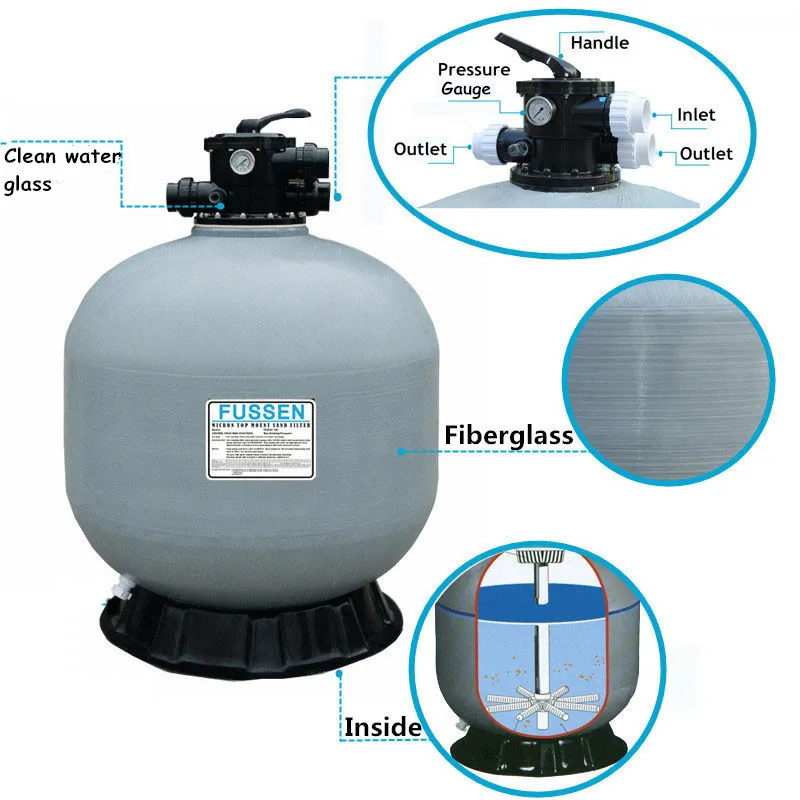
Installation and working principle of filter sand tank in ...
concrete blocks to avoid risk of settlement. Do not use sand to level the filter as the sand will wash away. Filter systems can weigh up to 800 lbs. 3. Install electrical controls at least five (5) feet from the filter.This will allow enough room to stand away from the filter during start-up. 4. Allow sufficient clearance around the filter to

600mm Top Mount Side Fiber Glass 1.5 Inch Valve Swimming Pool ...
The sand in the filter strains out impurities as the water pushes its way through. The water enters the top or side of the filter through a multiport or piston backwash valve and sprays over the sand. The sharp edges of the grains catch the impurities.

Combi Flow Sand filters for swimming pool water treatment ...
Check out our large selection of parts, water care, used spas, and more! We carry a full line of spa accessories and products. Our spa supplies range from filter flosser cleaners to scum bug oil removers. Shop Now

How to Know How Many Hours to Run a Pool Filter: 7 Steps
the patented filter control valve to the top of the filter tank. As the pool water is pumped through the filter sand, dirt particles are trapped by the sand bed, and filtered out. The cleaned pool water is returned from the bottom of the filter tank, through the control valve and back to the pool through the piping system.
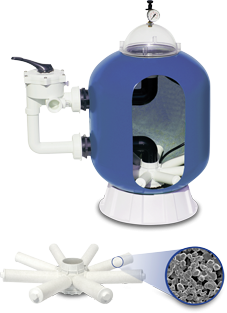
Why sand filters are the best choice! | Webshop.swimmingpools.be
Wondering exactly how a swimming pool pump and filter system works? In this video successful pool designer and builder Jason Hughes discusses the basics of ...

Factory Supply Computer Control Swimming Pool Circulating ...
At least two people should work on your Intex pool pump setup. Unpack your pool pump. Remove the sand filter and its accessories from the packaging carefully and inspect for any visible damage. Prepare your pool pump. Unscrew the leaf trap cover in a counter-clockwise motion in the pre-filter housing. Take out the basket and filter housing nut.
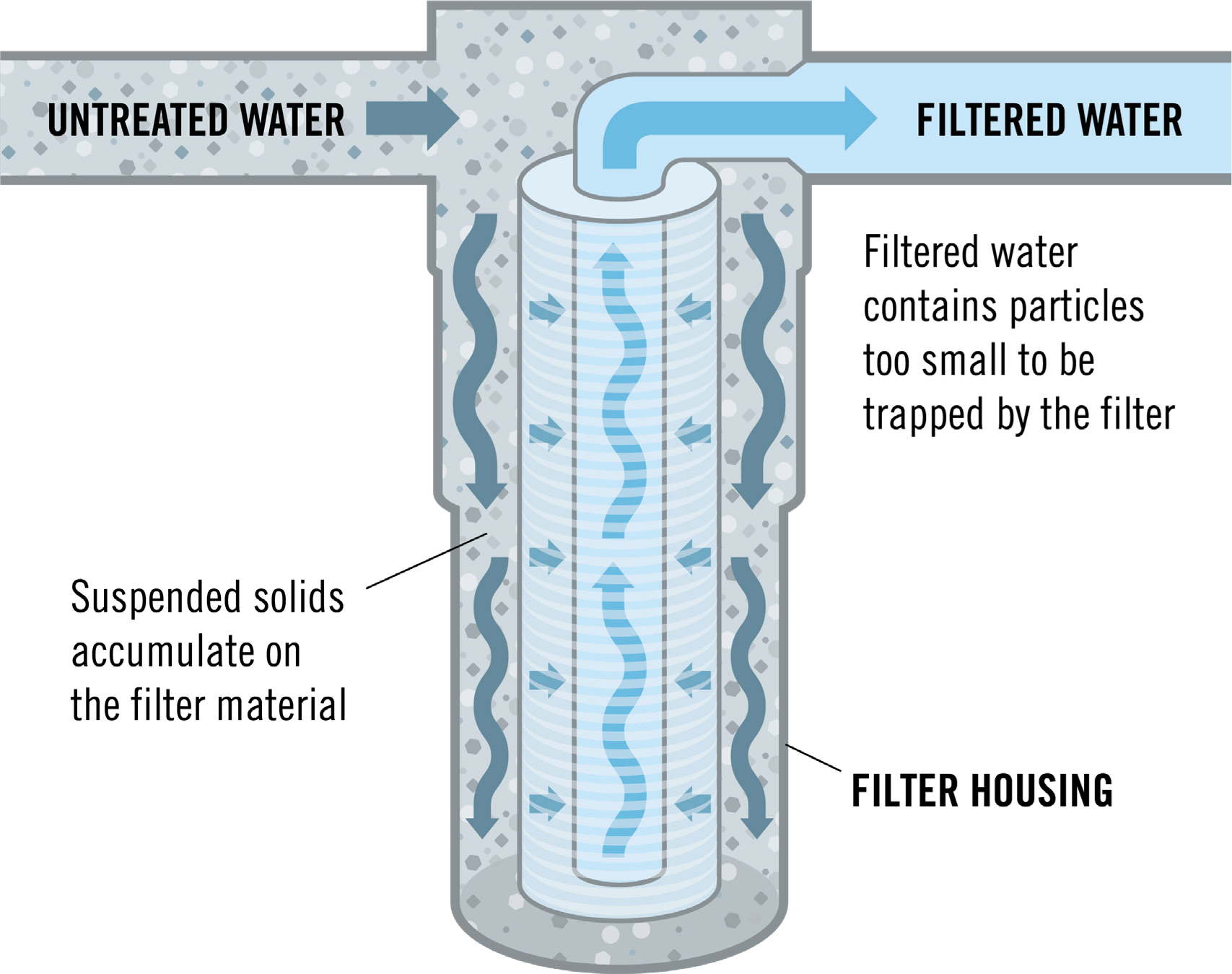
Household Water Treatment: Mechanical Filtration Methods and ...
The sand particles are ground to the consistency of .45 to .55 in diameter--rough enough to trap debris, but fine enough to allow water to filter through. Filtered Water The pool water enters a tank through a diffuser, which draws the water down into the bed of sand.

NEW - Pool School - 09 - Swimming Pool Sand Filter PART 1 of 2 | Family Leisure
How it all works: Water flows through the valve and diffuser, passes through the sand bed, which captures fine debris particulates, and travels through the slotted laterals up through the standpipe and goes back to the pool. As the sand bed slowly plugs up, your pressure gauge, located on the valve (or dome for side mounts) will rise in pressure.
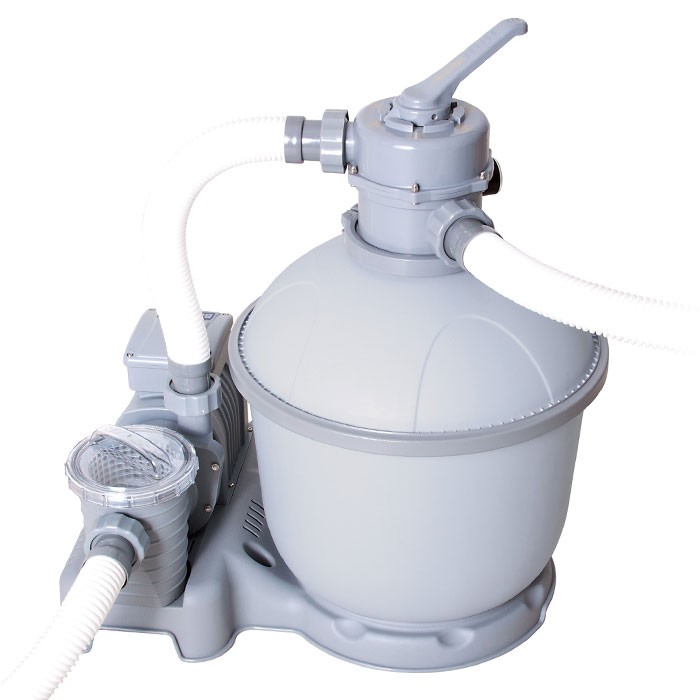
Bestway Sand Filter Pumps – Bestway Support UK
Diatomaceous Earth (D.E.) Filters — Filter particles down to 3-5 microns, D.E. filters should be backwashed when the pressure gauge reads 8-10 psi. Sand Filters — Capture particles down to 20-40 microns, sand filters should be backwashed when the pressure gauge reads 8-10 psi.
COMMERCIAL MULTIPORT VALVES
Aug 08, 2018 · Hi all. I have a Hayward pool heater (model #H250FDN). Over the past week, the heater fired up and heated just fine. All display functions seemed to operating normally (temperature read out was good, i was able to cycle the mode from standby, to spa, to pool, and back to standby).
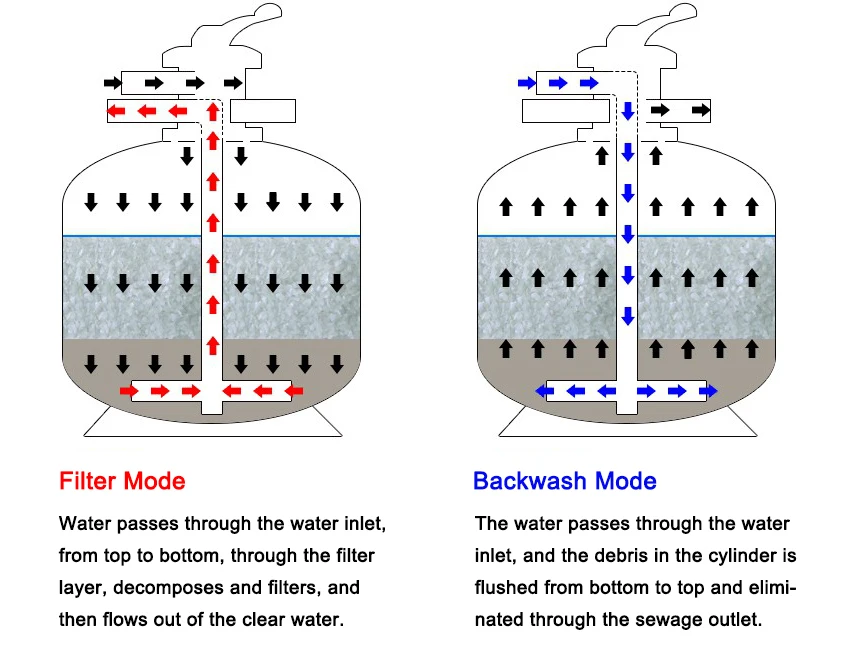
Installation and working principle of filter sand tank in ...
Method diagram Method and installation description Sand filtration is used for the removal of suspended matter, as well as floating and sinkable particles. The wastewater flows vertically through a fine bed of sand and/or gravel. Particles are removed by way of absorption or physical encapsulation.
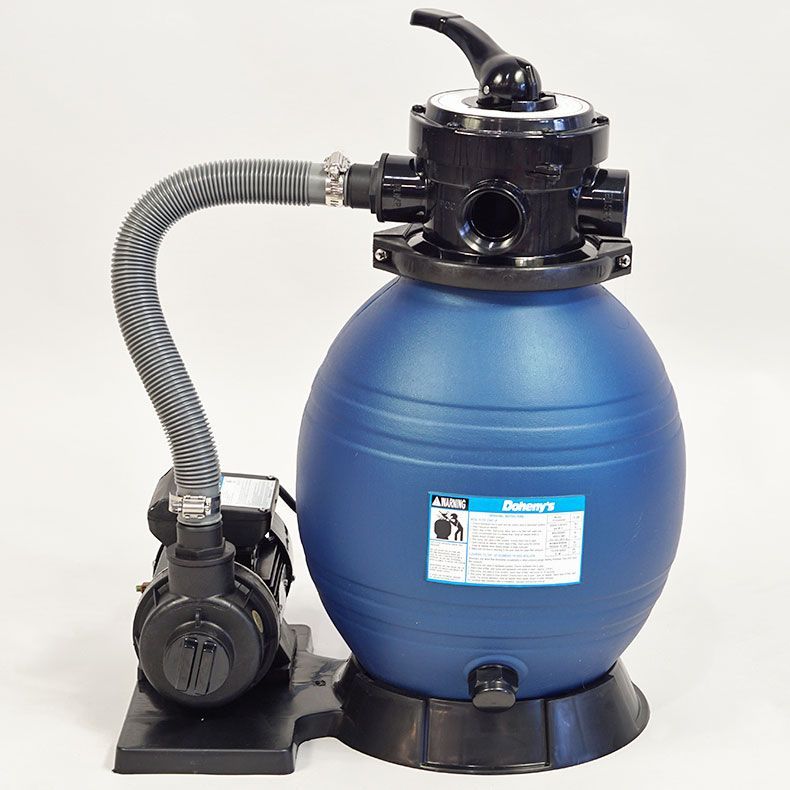
Doheny's Small Sand Filter
Step 4. Before you connect the pool sand filter into the piping system, you have to assemble the filter. First, screw the pressure gauge to the 1/4" hole on the side of the filter. If the threads aren't prepared, wrap them with two layers of Teflon tape. Start in a clockwise direction at the first thread with a half-width overlap for the full ...

Schematic diagram of sand filter setup. | Download Scientific ...
This process uses a Sand filter pump in order to pump the dirty and unclean water out of the pool. The filtration process works in a way that all the dirt and debris are trapped by the sand while the clean and filtered water is returned to the pool. This is how Sand filtration keeps your pool water healthy and dirt-free.
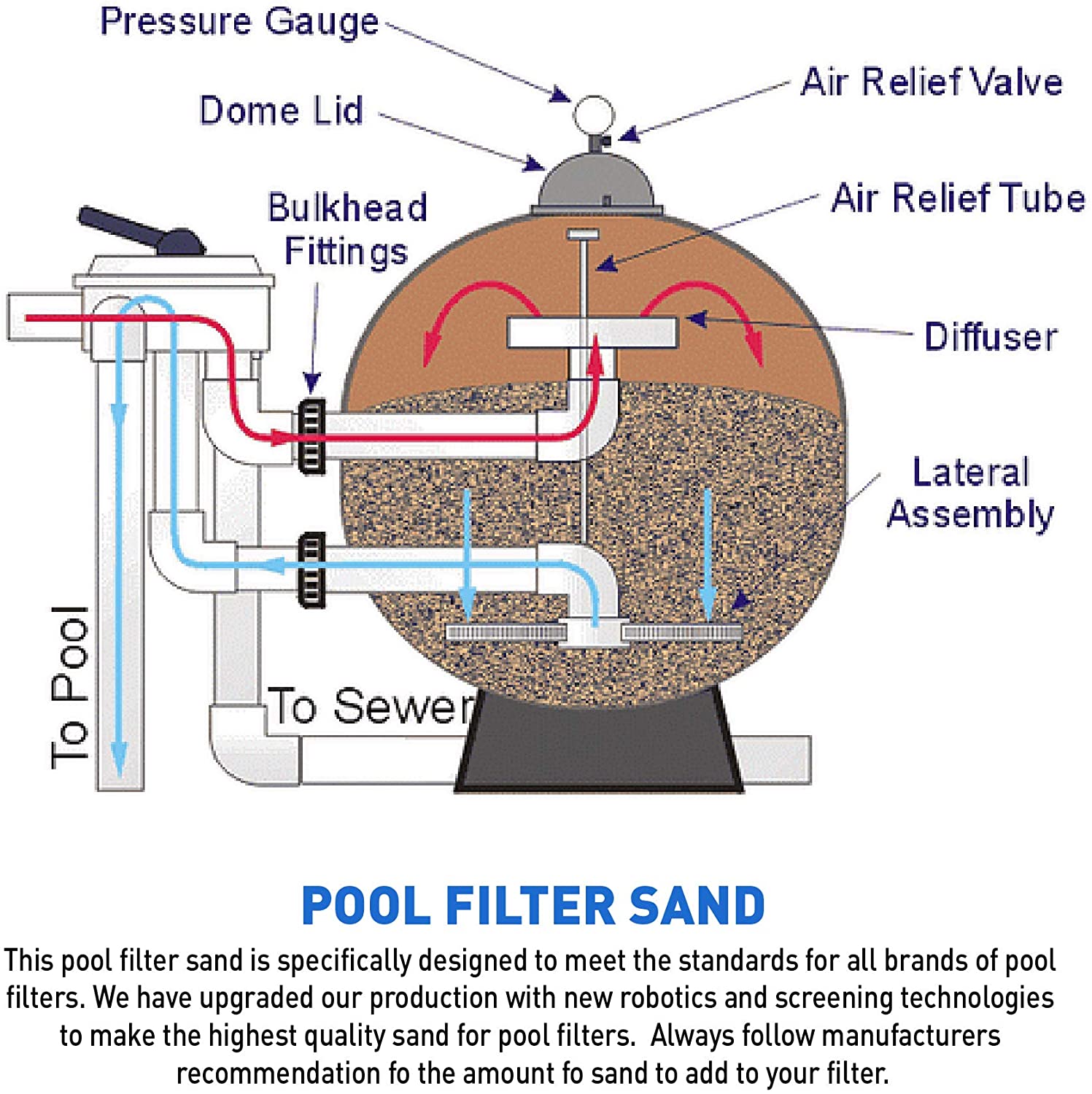
onion Stick out Estimate sand filter - silesiansolution.com
NOTE: if your well water contains coliform bacteria or e.coli bacteria it is important to find the source and stop the contamination. If your well is under the influence of surface water contamination, a chlorination system alone will not be considered a 100% safe alternative to having uncontaminated, safe well water.

Schematic view of the swimming pool treatment plant and the ...
It works by the water being redirected the reverse way through the sand filter. So after leaving the pump it goes into the bottom of the filter and travels up through the sand, dislodging the dirt and debris as it goes. The water containing the debris then goes to the waste pipe and out of the system.

What Pool Filter Sand To Use? 🅠1 Responses For (2021 ...
How pool sand filters work First of all, the water goes into the pool's skimmers, into the pump, then in through the multiport valve and then depending on what the valve switch is set at, water is routed to wherever it needs to go. Think of your multiport valve as your crossing guard, the setting dictates where the water goes.

Diy Non- Pressurized Sand Filter for Backyard Pools : 4 Steps ...
Equipped with an electric motor, the pump has an impeller that drives water through the skimmers (found at the top of a pool) and the sumps (found at the bottom of a pool) take it to the filter. The clean, filtered water is then piped through the return nozzles (a series of small valves placed around the pool).
Pool Sand vs Play Sand (Is Play Sand the Same as Pool Filter ...
For sand filters, water flows top to bottom in the tank, whereas DE filters flow bottom to top. 2. Waste The "Waste" setting is a bypass position on the multiport valve. After water is sucked in by the pool pump, it's directed straight out of the system before it can come into contact with the filter.

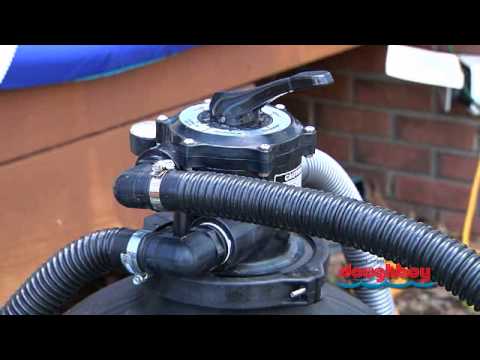
How to Connect Hoses to your Sand Filter
Sand Filter Installation and User's Guide Figure 1. 4. The filter is ready to be moved into its final position. The system must be placed on level solid earth. When the filter is filled with sand and water it can weigh several hundred pounds. 5. Be certain to install the precise amount of filter sand listed on your filter name plate.

A Complete Guide: Design, Working & Benefits of Slow Sand Filter
Rapid Sand Filters | Water Treatment | Waste Water Treatment ...
How do sand and gravel filter water in a filtration tank? - Quora

3 main types of filtration in the pool industry D.E. ...

Swimming Pool Tips & Reviews: Pool Sand Filter Tips & Tricks

Swimming Pool Construction Timeline | Gunite Inground Pools ...
How to Backwash a Pool Sand Filter & How Often to Do It

AQUATIC POOLS & FOUNTAINS

SPA Cartridges Filter Outdoor Pre SPA Sand Filter Cartridge ...
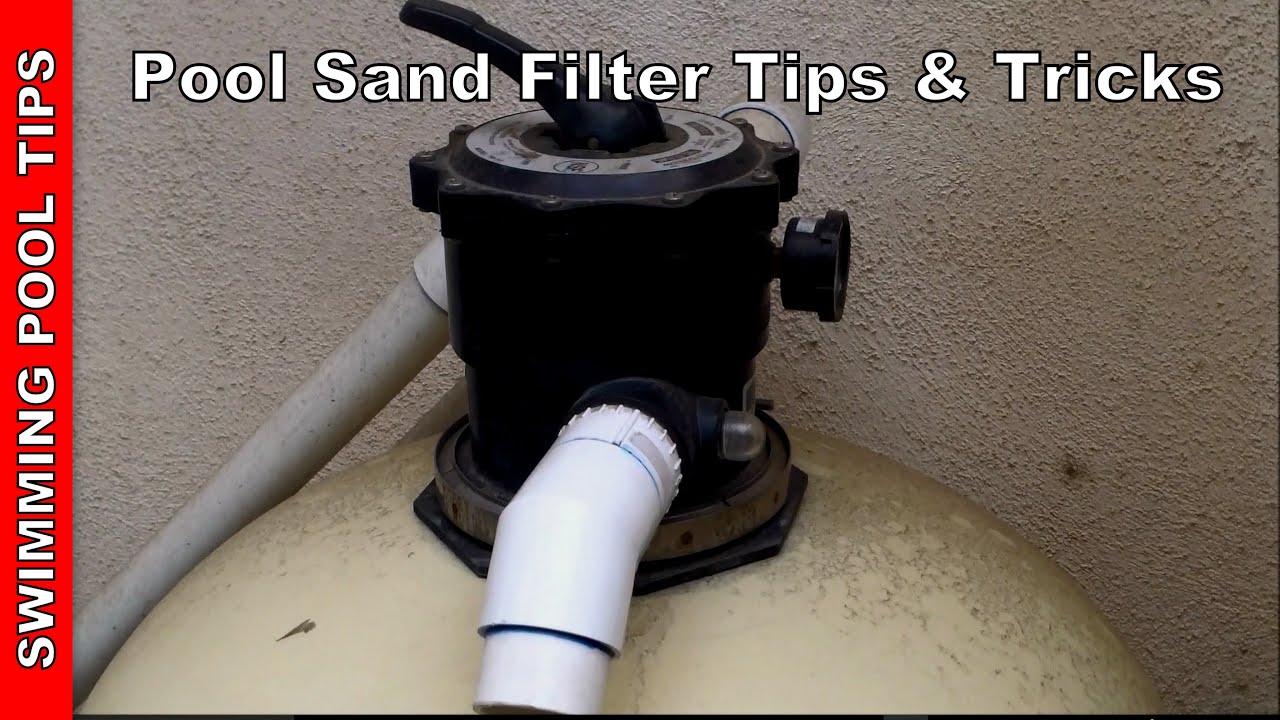
Pool Sand Filter Tips, Tricks & Troubleshooting, Sand Filter Part 1

Diy Non- Pressurized Sand Filter for Backyard Pools : 4 Steps ...

Swimming Pool Filtration System Diagram | Pool plumbing ...
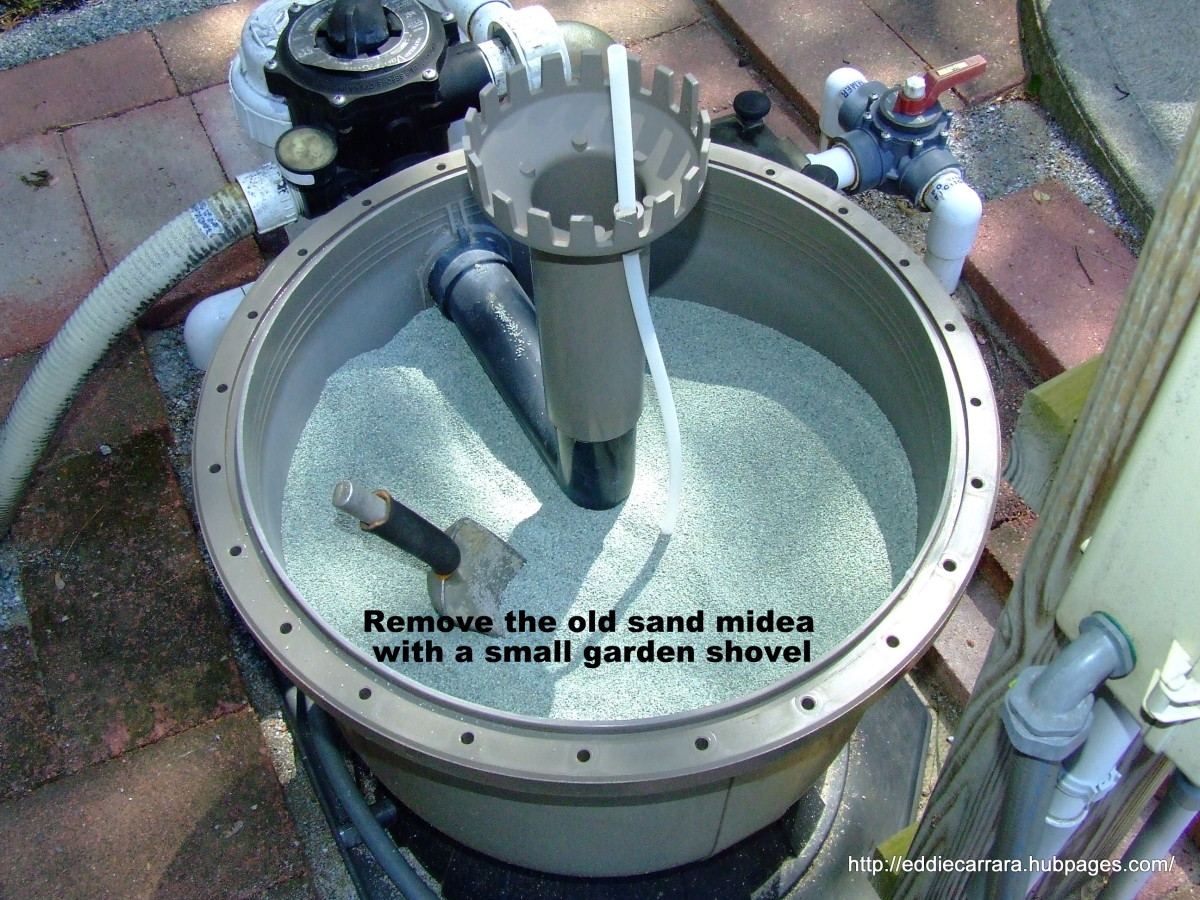
How to Change the Sand in a Pool Filter - Dengarden
Wire cut edm filter
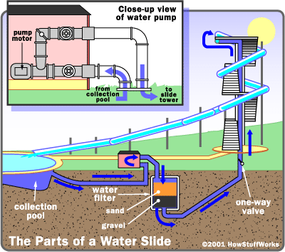
Putting the Water in Water Slides - How Water Slides Work ...

3 Ways to Change the Sand in a Pool Filter - wikiHow
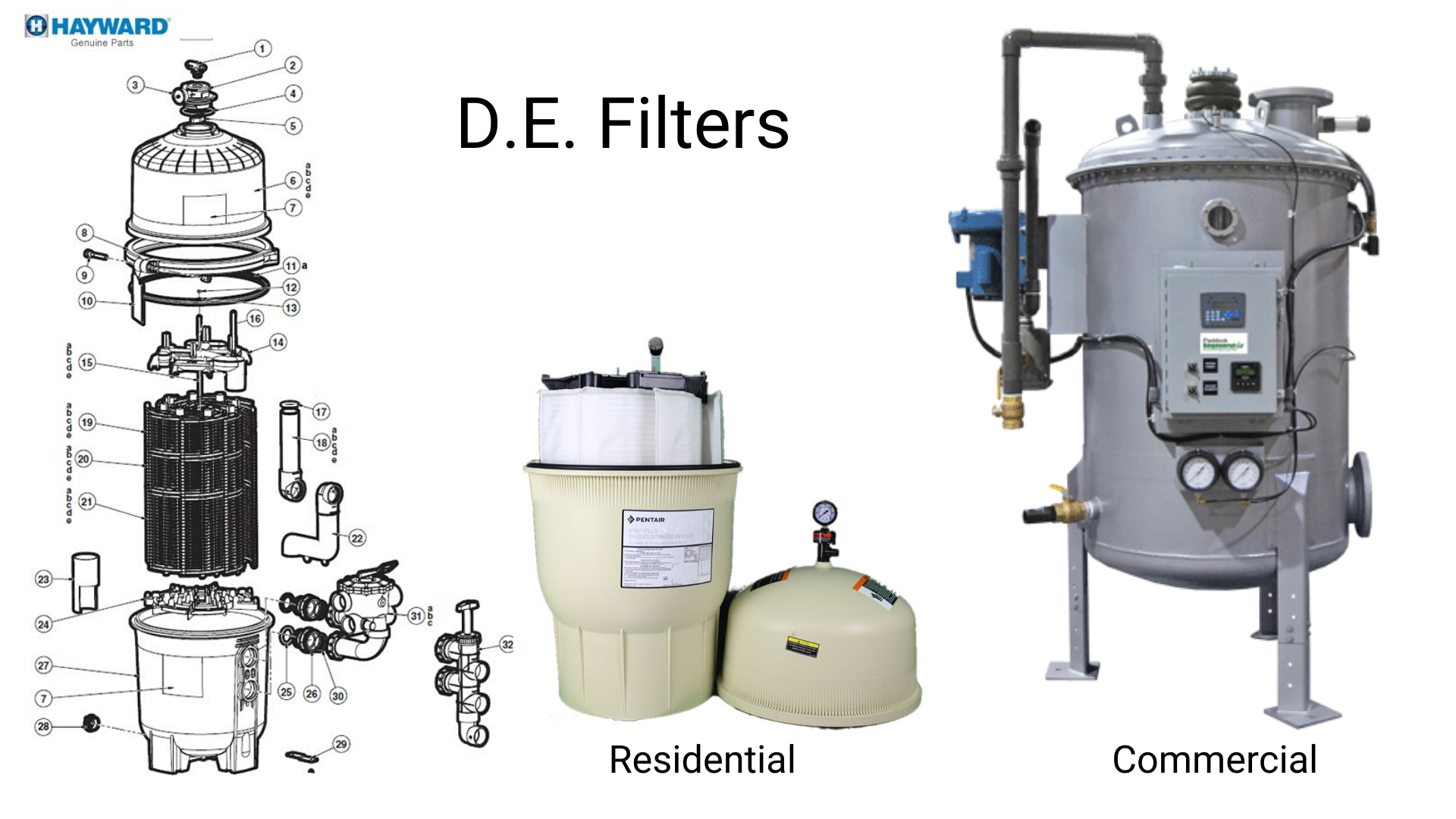
Comparing Swimming Pool Filters

Why sand filters are the best choice! | Webshop.swimmingpools.be


Comments
Post a Comment